
Overview
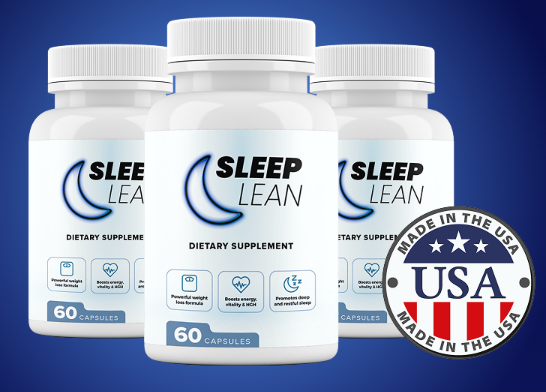
Blue Night Melt Formula: The Deep-Sleep Fat Drop Trick
The idea of a “sleep-activating exotic plant” has captured attention among health-conscious adults looking for natural ways to support metabolism and nighttime calorie burn. While the term sounds mysterious, the concept is rooted in a simple reality: certain botanicals may help calm the nervous system, promote deeper sleep, and support metabolic processes that naturally occur at night. This article explores the benefits, mechanisms, safety considerations, and common questions surrounding this emerging wellness trend.
Main Benefits
Many people are curious whether a plant-based sleep aid can also support metabolic balance. While results vary, some research-backed botanicals may offer meaningful support when combined with good sleep habits.
- Supports deeper, more restorative sleep: Certain herbs may help regulate neurotransmitters associated with calmness and sleep onset.
- May promote nighttime metabolic efficiency: Quality sleep is closely tied to fat oxidation and hormonal balance.
- Helps reduce evening cravings: Some compounds may influence serotonin-related pathways that affect appetite.
- Encourages a healthy inflammatory response: Antioxidant-rich plants may help reduce oxidative stress, which plays a role in metabolic health.
- Supports morning energy and alertness: Better sleep can translate into improved daytime performance and mood.
How It Works in the Body
The connection between botanicals, sleep, and metabolism involves several biological systems. Here’s a simplified look at how these components interact.
Neurotransmitter Balance
Some exotic plant extracts may influence pathways related to GABA, serotonin, or melatonin. These chemicals help the brain transition from wakefulness into a restful, relaxed state, which is essential for deep sleep cycles.
Hormonal Regulation
Hormones like cortisol, leptin, and ghrelin fluctuate during the night. Calming botanicals may indirectly support steadier hormonal patterns by promoting stable sleep architecture.
Metabolic Efficiency During Sleep
During deep sleep, the body naturally shifts into repair mode. Mitochondria—the energy factories of cells—perform maintenance tasks, and growth hormone levels rise. Both processes are associated with nighttime fat metabolism. While botanicals don’t “burn fat” directly, they may help maintain an environment that supports natural metabolic functions.
Inflammation and Antioxidant Support
Certain plant compounds are rich in antioxidants that help neutralize free radicals. This may support a healthier inflammatory response, which is tied to overall metabolic wellness.
How to Use It Safely
The safest approach is to follow product labels and general best practices for herbal supplements. Botanical sleep aids should be used consistently but responsibly.
- Start with the lowest suggested amount.
- Take the supplement 30–60 minutes before bedtime.
- Avoid alcohol or heavy nighttime meals when experimenting with new sleep aids.
- Choose reputable brands that test for purity and potency.
Always consult a healthcare provider if you have chronic conditions, take medications, or are pregnant or breastfeeding.
Who Is It For?
Botanical sleep-metabolism support may be appropriate for adults who:
- Experience difficulty winding down at night
- Struggle with evening cravings
- Feel tired in the morning despite getting enough hours of sleep
- Want a gentle, natural approach to nighttime wellness
- Prefer plant-based solutions rather than stimulants
This approach is not a replacement for medical treatment for sleep disorders, metabolic conditions, or chronic illnesses.
Common Mistakes to Avoid
- Expecting quick results: Botanical sleep aids typically work gradually.
- Mixing too many supplements: Combining products may cause unwanted interactions.
- Ignoring sleep hygiene: Supplements are most effective when paired with good bedtime habits.
- Taking more than recommended: Higher amounts do not necessarily improve benefits.
- Using stimulants late in the day: Caffeine can counteract the effects of calming botanicals.
Side Effects and Precautions
Most sleep-support botanicals are well-tolerated, but side effects can occur depending on individual sensitivities.
- Mild digestive discomfort
- Drowsiness if taken too late or in high amounts
- Interactions with medications affecting the nervous system
- Sensitivity reactions in people with herb allergies
It’s important to discuss new supplements with a healthcare provider, especially if you take antidepressants, sedatives, or blood pressure medication.
Frequently Asked Questions
Does this plant actually burn fat while I sleep?
No plant directly burns fat. Instead, certain botanicals may support deeper sleep and a calmer nervous system, which are linked to healthier metabolism.
Can I take this supplement every night?
Many people use botanical sleep support regularly, but long-term use should be discussed with a healthcare professional.
How long until I notice benefits?
Some individuals feel more relaxed within the first few nights, while metabolic or energy improvements may take several weeks.
Can I take it with my usual multivitamin?
Generally, yes, but check with a healthcare provider if you take medications or other targeted supplements.
Is this safe for older adults?
Many older adults use herbal sleep support, but individual health conditions should be considered. Professional guidance is recommended.
Is it addictive?
Most botanicals used for sleep support are non-habit-forming, but they should still be used responsibly.
Summary and Takeaways
The concept of a “sleep-activating exotic plant” is rooted in the connection between restorative sleep and metabolic wellness. While no supplement can replace good sleep hygiene, certain botanicals may help support relaxation, hormone balance, nighttime metabolic efficiency, and overall nighttime well-being. Used properly and paired with healthy habits, this approach may be a valuable addition to a holistic routine.
Author Expertise
This article was written by a health and nutrition content specialist with experience reviewing dietary supplements and explaining wellness topics in clear, evidence-informed language. The author regularly evaluates emerging research to help readers make informed decisions.
With a background in supplement education and health communication, the author focuses on creating balanced, practical guidance for adults looking to improve sleep, metabolism, and overall well-being.
Medical Disclaimer
This content is for educational purposes only and is not intended as medical advice, diagnosis, or treatment. Always consult a qualified healthcare provider before making changes to your supplement routine or managing a health condition.
Individual responses can vary, and professional guidance ensures your personal needs and medical history are properly considered.
References
- Review article on herbal sleep aids in a peer-reviewed integrative medicine journal
- Research on sleep and metabolism in a reputable endocrinology publication
- Study on antioxidant activity of botanical compounds in a nutrition science journal
- Review on circadian rhythm and caloric metabolism from a neuroscience journal
- Analysis of gut health and inulin supplementation in a gastrointestinal research journal