
Resveratrol Explained: Antioxidant Support Beyond Red Wine Hype
Resveratrol is a naturally occurring polyphenol best known for its presence in red wine, grapes, and certain berries. Over the years, it has attracted attention for its antioxidant properties and its potential role in supporting metabolic and cellular health.
Despite frequent marketing claims, resveratrol is not a detox agent, a liver cleanser, or a shortcut to longevity. Its real value lies in how it supports oxidative balance and cellular signaling within broader systems related to liver support and metabolic regulation.
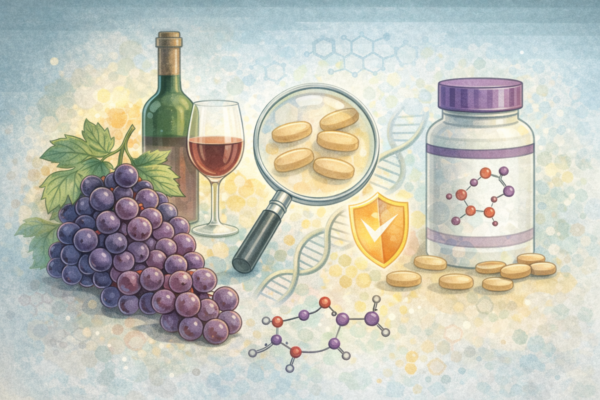
What Resveratrol Actually Does in the Body
Resveratrol functions primarily as an antioxidant and signaling compound. Rather than “removing toxins,” it helps regulate how cells respond to oxidative stress and inflammatory signals.
- Supports endogenous antioxidant defense mechanisms
- Influences cellular stress-response pathways
- Plays a role in metabolic signaling rather than direct organ repair
Because these effects are indirect and gradual, resveratrol is commonly discussed alongside other liver support supplements that focus on long-term balance instead of immediate or dramatic outcomes.
How Resveratrol Relates to Liver and Metabolic Health
The liver plays a central role in metabolism, inflammation control, and antioxidant balance. Resveratrol does not act on the liver as a stimulant or cleanser. Instead, it may support the broader metabolic environment in which liver function is maintained.
Research interest has focused on resveratrol’s ability to:
- Modulate oxidative stress associated with metabolic strain
- Support balanced inflammatory signaling
- Interact with pathways involved in insulin sensitivity
This helps explain why resveratrol often appears in discussions about metabolic health and liver function, rather than narrow or aggressive detox narratives.
Food Sources vs Supplement Forms
Resveratrol occurs naturally in foods such as red grapes, blueberries, peanuts, and red wine. However, dietary intake is typically modest and varies widely depending on dietary patterns and food preparation.
Supplemental forms provide higher and more consistent amounts, but this does not automatically translate into stronger or faster effects. Absorption, metabolism, and individual response all play a role.
From a practical standpoint, food-based sources and supplements should be viewed as complementary rather than interchangeable, especially within a broader lifestyle approach to liver and metabolic health.
Who Might Consider Resveratrol
Resveratrol is generally explored by individuals who:
- Are interested in long-term metabolic and cellular support
- Experience lifestyle-related oxidative stress
- Prefer non-stimulant, background supplements
It is most appropriate as part of a broader health strategy, rather than a targeted solution for specific liver-related symptoms or lab values.
Limitations and Common Misconceptions
Resveratrol is often misunderstood due to exaggerated marketing claims. It does not:
- Detoxify the liver
- Reverse existing liver disease
- Produce immediate or dramatic effects
Some individuals may experience mild digestive discomfort, and potential interactions with medications should not be overlooked. Conservative, informed use is generally more appropriate than high-dose experimentation.
A Practical Perspective
Resveratrol is best understood as a background support compound. Its value lies in subtle, system-level effects that complement healthy habits rather than replace them.
For readers seeking balanced, non-extreme approaches to liver and metabolic health, resveratrol fits naturally within a rational framework focused on sustainability rather than quick fixes.