
A calm, evidence-based look at when “support” isn’t actually helpful
Liver supplements are often framed as universally beneficial. The assumption is simple: the liver works hard, modern life is stressful, therefore extra support must be good.
In reality, this logic doesn’t always hold.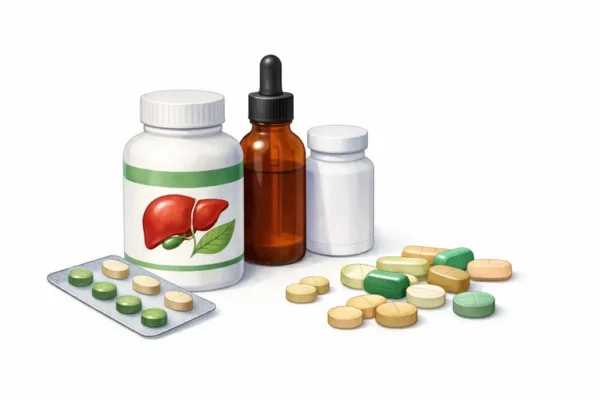
Many people arrive at this topic after asking whether they even need supplements in the first place. If you are still at that stage, Do You Actually Need Liver Supplements? provides a broader starting point.
There are many situations where liver supplements provide little benefit, create confusion, or distract from more meaningful improvements. Understanding when liver supplements do not make sense is just as important as knowing when they might help.
Supplements Address Gaps, Not Normal Function
Dietary supplements are designed to fill specific gaps, not to enhance an already well-functioning system indefinitely.
If liver function is normal, lifestyle factors are stable, and no clear stressors are present, supplements often have no measurable effect. The liver is already performing its detoxification, metabolic, and regulatory roles efficiently.
In these cases, taking a supplement may:
- Change nothing
- Create false reassurance
- Shift attention away from more impactful habits
This pattern often appears in people who later recognize signs of overuse or unnecessary stacking, discussed in Signs You’re Overusing Liver Supplements.
When Lab Numbers Are the Only Motivation
One of the most common reasons people start liver supplements is a single abnormal blood test.
Mild elevations in liver enzymes can occur due to:
- Short-term sleep deprivation
- Recent alcohol intake
- Intense exercise
- Acute illness or medication use
These short-term changes are explained in more detail in Why Liver Enzymes Fluctuate Over Time.
Starting supplements immediately—without retesting or understanding context—can lead to the mistaken belief that the supplement “fixed” the issue, when in reality the body was already correcting itself.
When Lifestyle Stressors Remain Unchanged
Liver supplements are sometimes used as a workaround for habits that remain unchanged, such as:
- Regular alcohol intake
- Chronic sleep restriction
- Persistent psychological stress
- Highly irregular eating patterns
In these situations, supplements are unlikely to override the underlying load placed on the liver. In fact, the real bottleneck is often unrelated to supplements at all, as described in When Sleep and Stress Are the Real Bottleneck.
This is why comparisons between supplements and lifestyle changes frequently favor foundational habits first, a point explored further in Liver Supplements vs Lifestyle Changes: What Actually Comes First?.
When Multiple Supplements Are Taken Together
Another scenario where liver supplements stop making sense is stacking—using several products simultaneously, often without a clear rationale.
Problems with this approach include:
- Overlapping ingredients
- Unknown interactions
- Difficulty identifying what is actually helping
The liver processes many compounds introduced through supplements. Adding complexity without necessity increases uncertainty rather than clarity.
When Time and Patience Would Do the Same Job
In many cases, the most effective intervention is simply:
- Better sleep for several weeks
- Reduced alcohol for a month
- Stabilized meals
- Lower overall stress
These daily, non-extreme adjustments are outlined more practically in Daily Habits That Support Liver Function (Without Extremes).
When improvement occurs after these changes, it often happens without supplements, highlighting that the liver already had the capacity to recover.
A More Useful Way to Think About Liver Supplements
Liver supplements make the most sense when:
- There is a clear stressor or deficiency
- Lifestyle foundations are already being addressed
- Expectations are realistic and measured
- Use is temporary, not indefinite
They make the least sense when used as a reflex, a shortcut, or a substitute for foundational recovery.
For a broader framework on how supplements fit into a non-extreme approach to liver health, see Liver Support & Detox Explained: A Practical, Non-Extreme Guide.
The better question is not whether supplements are “good” or “bad,” but whether they meaningfully change the trajectory you are already on.